


Kidney Stones
Passing a kidney stone is usually an extraordinarily painful experience. Kidney stones can develop at any age in both men and women. The lifetime risk of developing a stone is 12%.
Stones range in size from a pinhead to ones that measure 4 inches or more in length and can fill an entire kidney. The most common type of kidney stone contains calcium. This is present in 80% of all stones. Other stone components include uric acid, magnesium, phosphate and cysteine.
Stone formation is dependent upon a number of factors. These include fluid intake, diet, kidney diseases, bladder function, medication side effects and numerous medical conditions.
When a kidney stone moves out of a kidney and travels down the ureter to the bladder, several things happen. The first symptom is pain, which can range from mild (rare) to severe (more common). Pain is due to distention of the kidney, irritation of the ureter by a moving stone or ureteral contractions that try to propel the stone down to the bladder. Pain typically is located in the middle or lower back area and side (the flank) when the stone is in the kidney or upper ureter. As the stone moves downward towards the bladder the pain can shift to the mid and lower abdomen on the involved side. As the stone is at junction of the ureter and bladder, symptoms can include urinary frequency, voiding small amounts of urine, sudden urges to urinate and pain in the testicle/vagina.
Other symptoms of kidney stones can include:
- Blood in urine
- Discolored or foul-smelling urine
- Vomiting
- Nausea
- Chills and fever
Treatment of stones that are causing a blockage to the flow of urine is extremely important to prevent side effects like scar tissue formation and permanent kidney damage.
If the pain is too intense, or if nausea and vomiting prevent you from drinking liquids, you may need to go to a local hospital emergency department.
HOW ARE KIDNEY STONES DIAGNOSED?
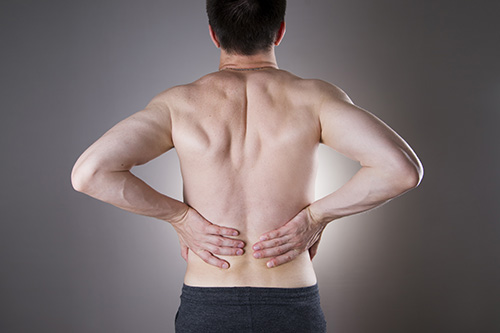 There are a variety of methods to diagnose a kidney stones. A basic evaluation includes a medical history, a physical examination and a urine analysis. The urine test looks for blood and evidence of an infection.
Imaging studies are extremely important to see if a stone is present, where it is located and how large it is. The basic imaging tests include:
CT scan of the abdomen and pelvis. This is the “gold standard” of imaging as it can pinpoint a stone in almost all cases. It also can provide information about kidney blockage. While this test involves some radiation exposure, new low dose CT scan protocols dramatically lower the amount of radiation delivered.
Ultrasound of the kidneys. This can identify stones and obstruction but it is not nearly as sensitive as a CT scan. There is no radiation exposure associated with an ultrasound.
Abdominal x-rays. These are often used after a CT scan has been performed to monitor stone progression.
HOW ARE KIDNEY STONES TREATED AT PACIFIC COAST UROLOGY MEDICAL CENTER?
Drinking fluids helps to flush the stones out and using pain medication are two of the most effective and time-tested methods available. In addition, using a medicine called an alpha blocker may help the ureter dilate and facilitate stone passage.
Most small stones (5 mm or less in size) will pass spontaneously. Larger stones, or ones with rough, jagged edges, may become lodged in the ureter. If that happens, it may be necessary to have a minimally invasive procedure or surgery.
These treatments include:
Extracorporeal Shock Wave Lithotripsy (ESWL) – This common treatment for kidney stones uses shock waves to break up stones into tiny pieces which are passed in the urine. We’ve been using it in the United States since the mid-1980s. Its advantage is that it is usually completely non-invasive. The downside is that you may experience pain as the stone fragments pass.
Laser Surgery – Stones in certain locations, or ones with rough, jagged edges, may require laser surgery. A thin laser fiber is inserted into either a rigid or flexible telescope breaking the stone into small pieces which can be removed with a “stone basket.”
Ureteral Stents – These are thin plastic tubes that are inserted internally and go from the kidney into the bladder. They can relieve obstruction to reduce pain and prevent kidney damage. They are usually used for larger stones.
Learn more about kidney stone treatments (laser surgery and shockwave therapy) and how to prevent kidney stones.
For your personalized consultation, Call, 888.735.4336 or email us via our Contact Us Form.