


Prostate Cancer
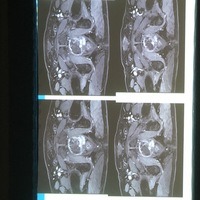
A few of the hundreds of MRI images reviewed at the Oct. 2018th HIFU Experts meeting.
PROSTATE CANCER CENTER OF EXCELLENCE
CALL: 844-443-8362
Welcome to the Center of Excellence for Prostate Cancer at Pacific Coast Urology Medical Center. Our Center is on the forefront of new, innovative treatments for prostate cancer, including High Intensity Focused Ultrasound (HIFU).
VISIT OUR DEDICATED HIFU WEBSITE
Concerned about Prostate Cancer?

In 2005, Dr. Pugach understood that HIFU for prostate cancer represented a dramatic change in the treatment of this increasingly diagnosed disease. After observing dozens of cases, and being taught by the inventors of this technology, he began to treat his own patients. As an early adopter of HIFU technology, Dr. Pugach has been performing and educating urologists about HIFU for 11+ years and he has performed more than 2300 procedures. Dr. Pugach is one of the world’s most experienced HIFU practitioners and is in a select group of urologists trained to teach other doctors how to perform HIFU.
In October of 2015, the U.S. FDA finally approved HIFU for use in the United States. Pacific Coast Urology Medical Center is proud to partner with HIFU Patient Services (HPS) to be the most experienced provider of HIFU for patients west of the Mississippi river!
Why choose HIFU? The answer is simple – HIFU has the ability to provide cancer cure rates that are the same as those achieved with radical surgery, but with a dramatic reduction in surgical side effects such as urinary incontinence and erectile dysfunction. HIFU allows patients to achieve what HIFU practitioners call a trifecta: a cancer cure, continence and erectile function.
WHAT CAUSES PROSTATE CANCER?
Yes, the statistics are frightening! According to the American Cancer Society, almost 250,000 prostate cancer cases will be diagnosed annually in the United States and will result in 29,000 deaths every year. But, with prevention strategies, early diagnosis and new treatment options, you don’t have to become one of these statistics.
While the causes of prostate cancer are still unknown, some risk factors for the disease, such as advancing age and a family history of prostate cancer, have been identified. Medical professionals and cancer researchers believe prostate cancer is not related to Benign Prostatic Hyperplasia (BPH). Some of prostate cancer’s identified risk factors include:
Age – The chances of developing prostate cancer increase with age.
Genetics – African American men have a higher risk of getting prostate cancer than do men of Japanese or Hispanic origin. Men with a Scandinavian background also have a higher risk of developing prostate cancer.
Learn more about African American men’s risk of developing prostate cancer by reading Dr. Pugach’s blog.
Heredity – A person whose father, brother, paternal grandfather or uncle has been diagnosed with prostate cancer is at an increased risk for developing prostate cancer.
Hormonal influences – While testosterone directly stimulates the growth of both normal prostate tissue and, perhaps, prostate cancer cells, the link between it and prostate cancer development is questionable.
Environmental, dietary and lifestyle factors – Smoking, diets high in saturated fats, toxins, chemicals and industrial products all may contribute to prostate cancer.
WHAT ARE SOME OF THE SIGNS AND SYMPTOMS OF PROSTATE CANCER?
View Dr. Pugach Educational Videos on Prostate Cancer
Prostate cancer often does not produce any symptoms in its early stages so it may not be detected until it has spread beyond the prostate. That’s why annual screening is so important. It’s simple – a brief digital rectal examinations (DRE) and PSA blood test are all that’s required!
When signs and symptoms begin, they may include some of the following:
- Blood in your urine
- Urgency of urination
- Difficulty starting urination
- Pain during urination
- Painful ejaculation
- Weak urine flow and dribbling
- Intermittent urine flow
- A sensation that your bladder is not emptying
- Frequent urination during the night
- Dull pain in your lower pelvic area
- General pain in your lower back, hips or upper thighs
- Loss of appetite and weight
- Persistent bone pain
Dr. Robert Pugach advises that some of the above symptoms may be associated with BPH. Only with a medical consultation, examination and blood work can a diagnosis of prostate cancer be made. (Virtual/Online Consultations available for our patients who live in other states and countries. We can help with out-of-area travel arrangements)
CAN PROSTATE CANCER BE PREVENTED?
To date, no single, causative prostate cancer gene has been identified. While no specific measures are known to prevent the development of prostate cancer, there are some dietary measures that may prevent or retard the growth of prostate cancer. These include a diet low in saturated fats and decreasing red meat consumption. Soybean products can decrease the amount of testosterone circulating in the blood which may also inhibit the growth of prostate tumors. Several studies have shown that lycopenes, found in tomatoes, and flaxseed may prevent or slow prostate cancer growth. Vitamin E and Selenium may have the opposite effect – they may facilitate prostate cancer development or growth. Finally, medications used to treat BPH like Proscar and Avodart may cause more aggressive prostate cancers to develop.
At the Center of Excellence for Prostate Cancer, we focus on preventing the spread of prostate cancer with early diagnosis. By doing this, we are able to offer treatments that are more successful and cause less side effects than those used for more advanced prostate cancer stages. We continue to advocate screening men with yearly digital rectal examinations (DRE) and PSA blood tests. Screening should start at age 50 unless there’s a family history of prostate cancer, in which case it should start at age 45.
To help you with your nutrition questions we offer the services of Pacific Coast Urology Medical Center’s nutritionist.
HOW IS PROSTATE CANCER DIAGNOSED?
It starts with a brief digital rectal exam and PSA blood test. If either of these is abnormal, the next step is a 10 minute biopsy procedure done in our office. We inject lidocaine before your biopsy so you’ll feel almost nothing during the procedure. While some men want to avoid procedures like a biopsy, there is currently no other way to diagnose prostate cancer. Other tests, like the state-of-the-art multiparametric MRI, may also be recommended.
When prostate cancer is diagnosed from the biopsy tissue, the pathologist will grade the tissue sample using the Gleason scale. This looks at the most common patterns of prostate cancer cells and provides guidance about how aggressive a particular prostate cancer may be. We also use molecular testing to further understand the likelihood of cancer spreading in the future to help you make an informed decision about treatment.
Remember, the purpose of screening is to identify early, tiny, or even microscopic cancers that are confined to the prostate gland to give you the widest range of options so you can choose when and how your cancer will be treated.
WHY PACIFIC COAST UROLOGY CENTER OF EXCELLENCE FOR TREATING PROSTATE CANCER?
At Pacific Coast Urology Medical Center, minimally invasive procedures are at the heart of our treatment programs for prostate cancer. The overriding philosophy of our diagnosis and treatment programs is to cure prostate cancer without causing significant side effects so your quality of life will not be negatively affected.
TWO MINIMALLY INVASIVE PROSTATE CANCER TREATMENTS OFFERED AT PACIFIC COAST UROLOGY MEDICAL CENTER:
High Intensity Focused Ultrasound (HIFU)
HIFU, is a therapy that destroys tissue with rapid heat elevation. HIFU is a precise and targeted procedure that reduces some of the risk of complications caused by traditional prostate cancer therapy involving surgery and radiation. Dr. Robert Pugach, a Los Angeles and Orange County, CA urologist and prostate cancer specialist, is recognized as an international and national expert in treating prostate cancer patients with High Intensity Focused Ultrasound (HIFU). He has been successfully treating patients with HIFU since 2006 and is the most experienced HIFU physician west of the Mississippi. Learn about HIFU more. (Visit our dedicated HIFU website)
Cyroablation (Freezing)
Cryoablation creates an ice ball within the prostate to achieve sub-freezing temperatures using argon gas. When the “lethal ice” temperature is reached, cancer cells are destroyed.
Before recommending a treatment plan, Dr. Pugach will spend time with you and your family to ensure that you understand your treatment options well so you can make an informed decision about your cancer care. (Prostate cancer articles)
Contact Pacific Coast Urology Medical Center at 844-443-8362 today or email us via our Contact Us form! Don’t delay as a simple prostate examination and blood test may save your life.